Saturday, 1 February 2020

Shio Koji: A Fermented Moldy-Rice Marinade That Makes Food Taste Great

The same ingredient that gives us miso, soy sauce, and sake is also the key to this versatile marinade.

Pouring shio koji over a prime rib roast.
Photographs: Vicky Wasik

It's rare for mold to achieve foodstuff celebrity status in the United States, but koji—the ancient mold responsible for miso, soy sauce, sake, and makgeolli—has done just that in recent years. And yet, while famous chefs and restaurants with dedicated test kitchens and fermentation labs have been espousing the virtues of koji and the delicious products that can be made from it, it hasn't made the leap to most American home kitchens, where "mold" is usually thought of as the enemy and six-month fermentation projects are only taken on by a small number of enthusiasts. But there are plenty of delicious ways to begin cooking and experimenting with koji that don't require earthenware crocks and months of waiting. Shio koji is the way to start down the koji rabbit hole.

What Is Koji?

Closeup of rice inoculated with koji-kin.

To quote from Sho's Obsessed profile of koji apostle Rich Shih:

0 seconds of 1 secondVolume 0%
03:46
 
6 Rules for Making a Great Caprese Salad

"Even if you've never heard of koji, you've put it in your mouth in one form or another. 'Koji' refers to any grain that has been inoculated with the mold Aspergillus oryzae, although it can, confusingly, also refer to the mold itself. In Japanese, the mold spores are referred to more specifically as koji-kin. Grains inoculated with koji-kin can produce a range of flavors and products with which you're likely very familiar, from slightly sweet sake to nutty miso to intensely savory soy sauce."

One of the simplest ways to tap into the flavor potential of koji is to combine it with water and salt to make shio koji.

What Is Shio Koji?

Overhead of two containers of shio koji.

Shio koji is primarily used as a marinade for poultry, meat, and seafood. It's made by fermenting a mixture of grain koji (cooked grain, most commonly rice, that has been inoculated with Aspergillus Oryzae and then dried), salt, and water to create a porridge-textured product with a sweet, funky aroma.

As with other koji kin-derived ingredients like soy sauce and miso, shio koji lends savory depth to foods it comes into contact with, thanks to protease enzymes that break down proteins into amino acids, which we perceive as umami. It's also rich in amylase enzymes, which break down starches, making it equally effective for marinating vegetables. This enzymatic activity not only boosts flavor but also has a textural effect on ingredients, making meat and poultry incredibly juicy and tender and firming up fish in a short amount of time. But shio koji isn't just a marinade; it can be used to boost the flavor of sauces, dressings, pickles, baked goods, and even ice cream bases.

How to Make Shio Koji

Stirring an in-progress batch of shio koji.

To make shio koji, you will need some form of grain koji. As mentioned earlier, grain koji is made by inoculating some form of cooked grain (most commonly rice) with koji kin and then drying it. If moldy long-term science projects are your bag, you can pick up a copy of The Noma Guide to Fermentation to learn how to make grain koji for yourself. Or you can purchase ready-to-use, granular rice koji—dried, koji kin-inoculated rice—online or in Japanese markets and even in some high-end supermarkets (look for it in the same refrigerated section where you'd find miso).

Once you have some rice koji on your hands, the process for turning it into shio koji couldn't be simpler, but it does take at least a week to ferment. Combine rice koji with kosher salt in a lidded container and then stir in water until the salt has dissolved. The general ratio for shio koji is 5:4:1 by weight of water to grain koji to salt (the ratio is adjusted slightly in the attached recipe to accommodate volumetric measurements).

Stirring in-progress shio koji.

Once the mixture is well-combined and the salt is dissolved, pop the lid on your container of shio koji in the making and find an out-of-the-way spot in your home to ferment it at room temperature. The only hands-on work you have to do during the fermentation process is to stir the mixture once per day. This ensures that the rice grains are being evenly coated with the liquid, which will take on an increasingly milky color as well as a sweet and funky aroma.

After a week, the shio koji will thicken to a porridge-like consistency and will smell fruity and pleasantly fermented. Depending on the time of year and the temperature in your home, this fermentation process might take a day or two longer, but it will be good to go between seven and ten days. At this point, pop the shio koji in the fridge and store it there until you'r ready to use it.

How Long Will Shio Koji Keep?

Side view closeup of two containers of shio koji.

Like miso and soy sauce, shio koji will keep for a long time in the fridge in an airtight container; in the above photo, you can see that the batch on the left was 10 months old when I started the one on the right. For this reason, I like making big batches of shio koji that I can dip into whenever I want to give a protein the shio-koji marinade treatment or add some funky sweetness to a sauce or dressing.

Most recipes for shio koji claim that it can be refrigerated for up to six months, but the 10-month-old batch I had was still perfectly good and showed no signs of degradation in quality. It's hard to imagine a batch of shio koji going bad before you use it up (provided you store it properly).

Should You Buy Prepared Shio Koji?

Prepared shio koji is available for purchase, but I don't recommend using it. When we were experimenting with shio koji at Cook's Science, we tested a lot of store-bought shio koji and found that most commercial versions were overly sweet and often had alcohol added to prolong their shelf-life. The added sugars in these versions of prepared shio koji change their flavor and make them harder to cook with, causing foods to brown and burn much too quickly. While making it yourself requires some advance planning, it's worth it and doesn't require any significant effort.

How to Use Shio Koji

Roast koji prime rib on a wire rack-lined baking sheet.

So you've made a batch of shio koji, and it's now sitting in the back of your fridge waiting for you to unleash its potential. So how should you go about using it? First and foremost, it's one of the easiest and most effective marinades around. But shio koji has other uses as well! Add it to sauces, dressings, baked goods, lacto-fermented vegetables, and more! Here are some of our favorite uses for shio koji, which I will continue to add to as we experiment more and more with it in the test kitchen.

Marinade for Poultry, Meat, and Fish

Rubbing shio koji over a prime rib roast.

The most common use for shio koji is as a marinade or cure for poultry, meat, seafood, and even vegetables. For proteins, slather them up with shio koji and let them hang out for as little as 30 minutes and up to 24 hours, depending on the size and type of ingredient you are working with. Generally speaking, the larger the piece of food, the longer you should marinate it. Over time, shio koji will begin to cure the ingredient it's in contact with, so delicate foods, like fish, should be marinated for a shorter amount of time.

You can decide whether to leave the texture of the shio koji as-is, in its porridge-like state, or buzz it up with a blender to make a smooth, creamy marinade. It will be effective either way. I usually blend it when I am looking to get a smooth, burnished surface on the end product (I have a recipe for koji roast duck dropping soon), and leave it coarse when marinating something that will have a crust-like exterior (such as a beef roast).

Wiping excess shio koji off of a prime rib roast with a paper towel.

When you're ready to cook, wipe off excess shio koji from the surface of your food to prevent it from scorching and then cook as you normally would, although you do have to keep an eye on things since koji-treated ingredients do take on color much faster (as is the case with most marinades that usually contain some form of sugar).

Individual fish fillets, scallops, and shrimp can be marinated for as little as 30 minutes with shio koji, which will firm them up, keep them succulent, and season them with a perfect balance of savory and sweet flavor.

Steaks, chops, chicken breasts, and the like should be marinated for at least an hour and up to a few hours.

Shio koji-marinated prime rib on a wire rack-lined baking sheet.

Larger cuts, especially bone-in pieces of meat or poultry, are best marinated overnight (at least 12 hours), giving the protease enzymes time to do their magic, breaking down proteins and seasoning the meat. Treat large roasts as if you are dry-brining them: set them on a wire rack-lined baking sheet after slathering them with shio koji. As with regular kosher salt, the salinity in shio koji will work its way into the meat and dry out the surface of the roast at the same time.

For smaller items that you aren't searing or roasting (like the koji duck confit recipe that I will be publishing soon), you can marinate them in sealed zipper-lock bags.

Flavor Booster for Sauces

Adding blended shio koji to reduced beef jus.

Shio koji can also be used to bump up the flavor of sauces and dressings. Add savory depth to a gravy or jus by stirring in a little blended shio koji. Try it in salad dressings—koji Caesar salad is killer, I promise you—or whisked into your favorite pan sauce. Shio koji has a can't-quite-put-your-finger-on-it magic flavor that toes the line between savory and sweet in the best way, and there is so much room for exploration with it. So go make yourself a batch, and start koji-cooking!

Shio Koji (Koji Marinade) Recipe

  • Allowing the mixture of rice koji, water, and salt to ferment at room temperature tempers the salinity of shio koji and produces its characteristic fruity, sweet, and funky aroma.
  • Shio koji is a simple and versatile cure/marinade for poultry, meat, seafood, and even vegetables that imparts savory and subtle sweet notes to foods, while also tenderizing them thanks to enzymes that break down both proteins and starches.
  • As with other koji-derived products, such as soy sauce and miso, shio koji will keep for a long time when refrigerated, making it a great addition to your arsenal of flavor-boosting ingredients for sprucing up your everyday cooking.

Shio koji is a Japanese cure/marinade made by fermenting grain koji (cooked grain, traditionally rice, that has been inoculated with Aspergillus oryzae, the mold that gives us miso, soy sauce, and sake), water, and salt until the mixture thickens to a porridge-like consistency and takes on a sweet, funky aroma.

Rich in protease and amylase enzymes that can break down proteins and starches, respectively, shio koji can be used as a marinade for meats, fish, and vegetables. It imparts savory and subtle sweet notes to foods while also tenderizing them. Along with its use as a versatile, flavor-boosting marinade, shio koji can be blended and added to sauces to provide them with an extra umami boost.

0 seconds of 5 minutes, 39 secondsVolume 0%
 
How to Make Gamja Bokkeum (Sweet Soy-Glazed Potatoes)
  • In a lidded container, combine koji and salt, breaking up any clumps of koji either with clean hands or a spoon. Add water and stir until mixture is well-combined and salt is dissolved, about 30 seconds.

  • Cover container with lid and set aside to ferment at room temperature until koji mixture is thickened and smells sweet and funky, at least 7 days or up to 10; stir mixture once per day throughout this fermentation process. Once shio koji is fermented, transfer to refrigerator until ready to use. Shio koji can be refrigerated in an airtight container for up to 10 months.

Notes

Rice koji can be found in some well-stocked supermarkets as well as Japanese markets or online. Our favorite brand is Cold Mountain, which can be purchased online here. Prepared shio koji is also available for purchase, but it is often overly sweet and treated with alcohol to lengthen its shelf-life.

Make-Ahead and Storage

Once fermented, shio koji can be refrigerated in an airtight container for up to 10 months.

Source:
by Sasha Marx |
 Published Dec. 10, 2019 | Serious Eats

Saturday, 6 July 2019

่บซ้ซ”็‚บไป€้บผ้œ€่ฆ้…ต็ด ?

้…ต็ด (enzyme)ๆœ€ๅŸบๆœฌ็ตๆง‹ๆ˜ฏ่›‹็™ฝ่ณช,็”ฑDNA็š„้บๅ‚ณๅฏ†็ขผ่ฝ‰่ญฏ่€Œๆˆ,ๆ‰€ไปฅ้…ต็ด ไน˜่ผ‰่‘—DNAๆ‰€่ณฆไบˆ็š„่จŠๆฏ,่ฒ ่ฒฌๆ‰€ๆœ‰็š„「ๅŒๅŒ–」่ˆ‡「็•ฐๅŒ–」ไฝœ็”จ,ๅŒๅŒ–ไฝœ็”จๆ˜ฏๅฐ‡ๅค–ๆบ็‰ฉ่ณช่ฝ‰่ฎŠๆˆไบบ้ซ”ๆ‰€้œ€่ฆ็š„,็•ฐๅŒ–ไฝœ็”จๅ‰‡ๆ˜ฏๆŒ‡ๅฐ‡ไบบ้ซ”็š„็‰ฉ่ณชๅˆ†่งฃไปฃ่ฌ。้…ต็ด ็ตฑ้ ˜่‘—็”Ÿ็‰ฉ็š„็”Ÿ็†ไฝœ็”จ,ๆ‰€ไปฅๆถˆๅŒ–ๅธๆ”ถ、ๆ–ฐ้™ณไปฃ่ฌ、็ต„็น”ไฟฎๅพฉ็ญ‰็”Ÿ็†ๆฉŸ่ƒฝๅ…จ้ƒฝ้œ€่ฆ้…ต็ด ๆ‰่ƒฝ้€ฒ่กŒ,่€Œไบบ้ซ”็š„้…ต็ด ๅฏไปฅๅˆ†ๆˆๅ…ญๅคง้กž:

  1. ๆฐงๅŒ–้‚„ๅŽŸ้…ถ:ๅฐ‡ๅ—่ณช้€ฒ่กŒๆฐงๅŒ–้‚„ๅŽŸๅๆ‡‰,ๅฆ‚:ไบบ้ซ”็š„ๆŠ—ๆฐงๅŒ–้…ต็ด ,่ƒฝๅค ๅŽป้™ค่‡ช็”ฑๅŸบ。
  2. ่ฝ‰็งป้…ถ:่ƒฝ่ฎ“ๅ—่ณช้€ฒ่กŒๅฎ˜่ƒฝๅŸบ็š„่ฝ‰ๆ›,ๅฆ‚:่ƒบๅŸบ่ฝ‰็งป้…ถ,่ƒฝๅค ๅฐ‡่ƒบๅŸบ่ฝ‰็งป่‡ณๅ…ถๅฎƒ็‰ฉ่ณชไธŠไปฅๅฝขๆˆ้žๅฟ…้œ€่ƒบๅŸบ้…ธ。
  3. ๆฐด่งฃ้…ถ:ๅฐ‡ๅ—่ณชๆฐด่งฃ,้Ž็จ‹้œ€่ฆๆฐดๅˆ†็š„ๅƒ่ˆ‡,ๅฆ‚:ๆพฑ็ฒ‰้…ถ、่›‹็™ฝ้…ถ。
  4. ็•ฐๆง‹้…ถ:่ฎ“ๅ—่ณช็š„็•ฐๆง‹็‰ฉๅฏไปฅไบ’็›ธ่ฝ‰ๅŒ–。
  5. ่ฃ‚่งฃ้…ถ:ๅŽป้™คๅ—่ณช็š„ๅฎ˜่ƒฝๅŸบ。
  6. ๆŽฅๅˆ้…ถ:ๅฐ‡ๅ…ฉๅ€‹ๅ—่ณชๅˆๆˆ็‚บไธ€ๅ€‹ๅˆ†ๅญ。

ไบบ้ซ”ๅœจ่€ๅŒ–้Ž็จ‹ไธญ,ๅˆๆˆ้…ต็ด ็š„่ƒฝๅŠ›ๆœƒ้–‹ๅง‹ไฝŽ่ฝ,ๅ› ๆญคๆ–ฐ้™ณไปฃ่ฌ、ๆถˆๅŒ–ๅธๆ”ถๅ’Œ็ต„็น”ไฟฎๅพฉ็ญ‰็”Ÿ็†ๅŠŸ่ƒฝๆœƒ้–‹ๅง‹ๆธ›็ทฉ,้€™ไนŸไฝฟๅพ—ไบบ้ซ”้–‹ๅง‹ๅ‡บ็พ่€ๅŒ–็š„ๆจฃ่ฒŒ,็”š่‡ณ็”ข็”Ÿๆ…ขๆ€ง็—…。ๅ› ๆญค้œ€่ฆๆœ‰่‰ฏๅฅฝ็š„็”Ÿๆดป็ฟ’ๆ…ฃ、้‹ๅ‹•่ˆ‡้ฃฒ้ฃŸไพ†ไฟƒ้€ฒไบบ้ซ”ๅˆๆˆ่ถณๅค ็š„้…ต็ด ,ไปฅไฟๆŒๅฅๅบท็š„่บซ้ซ”็‹€ๆณ,ไฝ†่‹ฅๆ˜ฏไปฅๆ”ๅ–้…ต็ด ๆ–นๅผ่ฃœๅ……,่ฆๆณจๆ„ไบบ้ซ”ๆ‰€ๅซ่ƒƒ้…ธ่ˆ‡ๆถˆๅŒ–้…ต็ด ๅ…ทๆœ‰็ ดๅฃž้…ต็ด ็ตๆง‹็š„็‰นๆ€ง,ๅปบ่ญฐๆถˆ่ฒป่€…่ณผ่ฒทๅ…ทๆœ‰่€้…ธ่ˆ‡่€้…ต็ด ไฝœ็”จ็š„ๅŒ…่†œไฟ่ญท็”ขๅ“,ๆ‰่ƒฝ่ฎ“้…ต็ด ้ †ๅˆฉ็š„้€š้Žๅฑคๅฑค่€ƒ้ฉ—。


Source:
Date: 2018-11-07

็ƒ้ฃŸๅ…ฌ็›Š้ฃฒ้ฃŸๆ–‡ๅŒ–ๆ•™่‚ฒๅŸบ้‡‘ๆœƒ

Tuesday, 2 July 2019

็›Š็”Ÿ่Œ、็›Š็”Ÿ่ณชๆœ‰ไป€้บผไธไธ€ๆจฃๅ‘ข?

่…ธ้“ๆ˜ฏ่บซ้ซ”ไธญ็›ธ็•ถ้‡่ฆ็š„ๆถˆๅŒ–ๅ™จๅฎ˜,ไธไฝ†่ฒ ่ฒฌๆถˆๅŒ–ไปฃ่ฌ,้‚„่ˆ‡ๅ…็–ซ、ๅคง่…ฆๅŠ่‚Œ่‚‰ๅŠŸ่ƒฝๆœ‰้—œ!ๅ› ๆญค่…ธ้“ไฟๅฅไธ€็›ดๆ˜ฏๅคงๅฎถๅๅˆ†ๅœจๆ„็š„ๅฅๅบท่ญฐ้กŒ。่€Œ่ฟ‘ๅนดไพ†ๅพˆๅคฏ็š„「็›Š็”Ÿ่Œ」ๅŠ「็›Š็”Ÿ่ณช」็‚บไป€้บผๅฏไปฅๅนซๅŠฉ็ถญๆŒ่…ธ้“ๅฅๅบทๅŠ่‰ฏๅฅฝ็š„ๆถˆๅŒ–?้€™ๅ…ฉๅ€‹็œ‹่ตทไพ†็›ธไผผ็š„่ฉž,ๅˆ็ฉถ็ซŸๆœ‰ๅ“ชไบ›ๅทฎ็•ฐๅ‘ข?่ถ•ๅฟซไพ†่ช่ญ˜ไธ€ไธ‹!

  • ็›Š็”Ÿ่Œ(probiotics)

็›Š็”Ÿ่Œ(probiotics)ไนŸๅฐฑๆ˜ฏๆœ‰็›Š่…ธ้“ๅฅๅบท็š„「ๅฅฝ่Œ」,่…ธ้“ไธญ็š„ๅฅฝ่Œๅคš,ไพฟ่ƒฝๅค ๆŠ‘ๅˆถ「ๅฃž่Œ」ๅœจ่…ธ้“ไธญ็š„็”Ÿ้•ท。่€Œ็›Š็”Ÿ่Œ็š„็จฎ้กž็นๅคš,ๅƒๆ˜ฏไนณ้…ธๆกฟ่Œ、้›™ๅ‰ไนณ้…ธๆกฟ่Œ (ๆฏ”่ฒๅพทๆฐ่Œ) ๅŠ้…ตๆฏ่Œ็ญ‰。้€™ไบ›็›Š็”Ÿ่Œ่ƒฝไฝฟ่…ธ้“ไธญๅฅฝ่ŒๅขžๅŠ ,ๆธ›ๅฐ‘ๆŽ’ไพฟไธ้ †、ๅนซๅŠฉๆถˆๅŒ–ๅธๆ”ถ็ญ‰็”Ÿ็†ๆฉŸ่ƒฝ,ๅŒๆ™‚่ƒฝๅค ๅŠ ๅผท่…ธ้“็š„ๅ…็–ซๅŠŸ่ƒฝ,ๅฐๅฎนๆ˜“้Žๆ•、ๆ•ๆ„Ÿ็š„ๆœ‹ๅ‹ไนŸ่ƒฝๆไพ›ๆ›ดๅฅฝ็š„ไฟ่ญท。

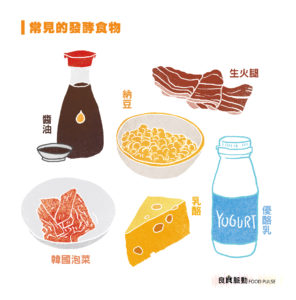
ๅ„ชๆ ผ、ๅ„ช้…ชไนณ、ๅพณๅผ้…ธ่œ、้…ธ้ปƒ็“œๅŠๆณก่œ็ญ‰็™ผ้…ต้กž็š„้ฃŸ็‰ฉ้ƒฝๅซๆœ‰้€™ไบ›ๅฅฝ่Œ,ๅฏไปฅไฝœ็‚บ้ปžๅฟƒๆˆ–็”จๅœจๆ–™็†ไธญ,ๅขžๅŠ ่…ธ้“ไธญ็š„ๅฅฝ่Œ。

  • ็›Š็”Ÿ่ณช(prebiotic)

็›Š็”Ÿ่ณช (prebiotic)ไนŸ็จฑไฝœ「็›Š่Œ็”Ÿ」,ๆ˜ฏๆŒ‡่ƒฝๆไพ›็ตฆ「ๅฅฝ่Œ」็‡Ÿ้คŠไพ†ๆบ็š„็‰ฉ่ณช。็›Š็”Ÿ่ณชๅคšไปฅ่†ณ้ฃŸ็บ–็ถญ、ๅฏก็ณ–็ญ‰่บซ้ซ”็„กๆณ•ไปฃ่ฌ็š„็‰ฉ่ณช็‚บไธป,่€Œ่†ณ้ฃŸ็บ–็ถญ、ๅฏก็ณ–็ญ‰็›Š็”Ÿ่ณชๅ‰‡ๅฏไปฅ้€้Ž:ๅ…จ็ฉ€ๆ น่Ž–้กž、่ฑ†้กžๅŠ่”ฌๆžœไธญ็ฒๅพ—。็›Š็”Ÿ่ณช้€้Žๆไพ›ๅฅฝ่Œ็‡Ÿ้คŠ,็ถญๆŒ่…ธ้“ไธญๅฅฝ่Œ็š„็”Ÿ้•ท,ๅฅฝ่Œๅ‰‡ๆœƒๅˆฉ็”จ้€™ไบ›็›Š็”Ÿ่ณช็”ข็”Ÿๆœ‰ๆฉŸ้…ธ,ไฝฟ่…ธ้“็’ฐๅขƒๆ›ดๆœ‰ๅˆฉๅฅฝ่Œ็”Ÿๅญ˜。

ไบ†่งฃ็›Š็”Ÿ่ŒๅŠ็›Š็”Ÿ่ณชๅพŒ,ไพฟๆœƒ็™ผ็พ็›Š็”Ÿ่Œ、็›Š็”Ÿ่ณชๅœจ่…ธ้“ไฟๅฅไธญ็ผบไธ€ไธๅฏ,้€้Žๅ‡่กก้ฃฒ้ฃŸๅŠ็•™ๆ„้ฃฒ้ฃŸ็š„้ธๆ“‡,ๅฐฑ่ƒฝๅพžๆ—ฅๅธธ้ฃฒ้ฃŸไธญ็ฒๅพ—็›Š็”Ÿ่ŒๅŠ็›Š็”Ÿ่ณช,่ฎ“่…ธ้“ๅปบ็ซ‹ๆ›ดๅฅฝ็š„้˜ฒ็ฆฆๆฉŸๅˆถ!


Source:
Date: 2018/11/28
็ƒ้ฃŸๅ…ฌ็›Š้ฃฒ้ฃŸๆ–‡ๅŒ–ๆ•™่‚ฒๅŸบ้‡‘ๆœƒ

Saturday, 13 April 2019

็™ผ้…ต้ฃŸ็‰ฉ่ƒฝๆŠ—ๆฐงๅŒ–ๆ˜ฏ็œŸ็š„ๅ—Ž?

ไปฅๅคง่ฑ†็™ผ้…ต็š„ๅ‘ณๅ™Œ็‚บไพ‹,ๆœƒ็”ข็”Ÿๅคง่ฑ†็•ฐ้ปƒ้…ฎ,ๆœ‰ๆŠ—ๆฐงๅŒ–、ๆŠ—้Žๆ•็ญ‰ๅŠŸ่ƒฝ,ๅ…ถไป–ๅธธ่ฆ‹็™ผ้…ต้ฃŸ็‰ฉๅŒ…ๆ‹ฌ:ๆณก่œ、้†ฌๆฒน、้ญš้œฒ、่ตทๅธ、ๅ„ช้…ชไนณ、็”Ÿ็ซ่…ฟ、้†ฌๆฒน、้…ธ่œ、่ฑ†่…ไนณ、้†‹、่‘ก่„้…’、็ด…่Œถ็ญ‰,ไนŸ้ƒฝ่ƒฝ็”ข็”ŸๅนซๅŠฉไบบ้ซ”ๅฐๆŠ—่‡ช็”ฑๅŸบ็š„็‰ฉ่ณช。็™ผ้…ตๆ˜ฏๆŒ‡้‹็”จๅพฎ็”Ÿ็‰ฉ,ๅŒ…ๆ‹ฌไนณ้…ธ่Œ、้…ตๆฏ่Œ、้†‹้…ธ่Œ、้บด่Œ、็ด่ฑ†่Œ็ญ‰ๅ„ๅผ่Œ็จฎ,ๅฐ‡ๅคงๅˆ†ๅญๅˆ†่งฃ่ฝ‰่ฎŠๆˆๅฐๅˆ†ๅญ็š„้Ž็จ‹,ไพ‹ๅฆ‚:ๆพฑ็ฒ‰ๅˆ†่งฃๆˆๅฏก็ณ–、้›™้†ฃ、ๅ–ฎ้†ฃ,ๆˆ–ๆ˜ฏ่›‹็™ฝ่ณชๅˆ†่งฃๆˆ่ƒบๅŸบ้…ธ็ญ‰,ๅพฎ็”Ÿ็‰ฉๅœจ็™ผ้…ต้Ž็จ‹ไธญ,ๆœƒ็”ข็”Ÿ็ถญ็”Ÿ็ด 、ๆฐจๅŸบ้…ธ็ญ‰ไบบ้ซ”้œ€่ฆ็š„็‡Ÿ้คŠ็ด 。้›–็„ถไบบ้ซ”ๆœฌ่บซๅฐฑๆœ‰ๆŠ—ๆฐงๅŒ–็š„ๆฉŸๅˆถ,ไฝ†ๆ˜ฏ้šจ่‘—ๅนด็ด€ๅขž้•ท,ๆˆ‘ๅ€‘็š„็ดฐ่ƒžๆŠ—ๆฐงๅŒ–ๅŠ›้™ไฝŽ,้ฉ็•ถๆ”ๅ–็™ผ้…ต้ฃŸ็‰ฉๆˆ–ๅคฉ็„ถๆŠ—ๆฐงๅŒ–็‡Ÿ้คŠ็ด ๅฆ‚็ถญ็”Ÿ็ด A、C、E ๅฏๅนซๅŠฉ็ถญๆŒ่‰ฏๅฅฝๅฅๅบท็‹€ๆ…‹。


็ƒ้ฃŸๆ™บๅบซ่จฑๅบญ็ฆŽๅ‰ฏๆ•™ๆŽˆๆ้†’,่จฑๅคšไบบ่ชคไปฅ็‚บ้†ƒๆผฌ้ฃŸ็‰ฉไนŸๆ˜ฏ็™ผ้…ต็š„ไธ€็จฎ,้€™ๆ˜ฏ้Œฏ่ชค็š„่ง€ๅฟต。้†ƒๆผฌๅƒ…ๆ˜ฏๅŠ ๅ…ฅ็ณ–、้นฝ็ญ‰่ชฟๅ‘ณๆ–™,ๅคงๅคšๆ˜ฏ็‚บไบ†ๅขžๅŠ ้ขจๅ‘ณ,ๆˆ–ๆ—ฉๆœŸๆ˜ฏ้˜ฒๆญข้ฃŸ็‰ฉ่…ๆ•—็š„ไฝœ็”จ,็š†่ˆ‡็™ผ้…ต้ฃŸ็‰ฉ็š„ๅพฎ็”Ÿ็‰ฉไฝœ็”จไธๅŒ。ๅฆๅค–,็™ผ้…ต้ฃŸๅ“ๅฑฌ้…ธๆ€ง้ฃŸ็‰ฉ,ๅฆ‚ๆžœ้…ธๆ€ง้ฃŸ็‰ฉๆ”ๅ…ฅ้Žๅคš,ไนŸๅฏ่ƒฝๅผ•่ตทๆถˆๅŒ–ไธ่‰ฏ,ๅ› ๆญคๅปบ่ญฐ็™ผ้…ต้ฃŸ็‰ฉไปฅๅฐ‘้‡ๅคš้ค็‚บไธป,ๆŽงๅˆถ้ฃŸ็”จ้‡,ไธ”ๅ‡่กก้ฃฒ้ฃŸไพ†้”ๅˆฐๅฅๅบท็š„็›ฎ็š„。

Source:
Date:2018-01-30
็ƒ้ฃŸๅ…ฌ็›Š้ฃฒ้ฃŸๆ–‡ๅŒ–ๆ•™่‚ฒๅŸบ้‡‘ๆœƒ

Friday, 12 April 2019

้ชจๆนฏๅฐๅฅๅบท็š„็›Š่™•


้ชจๆนฏๅทฒ็ถ“ๅญ˜ๅœจไบ†ๆ•ธๅƒๅนด,ไฝ†็›ด่‡ณๆœ€่ฟ‘ๆ‰ๆต่กŒ่ตทไพ†。ๅฏŒๅซๆ˜Ž่† ๅ’Œ่›‹็™ฝ่ณช็š„้ชจๆนฏ,ๅ…ทๆœ‰ๅฐๅฅๅบท้žๅธธ้‡่ฆ็š„็‡Ÿ้คŠ็ด 。็ถ“ๅธธ้ฃฒ็”จ้ชจๆนฏ,ๅทฒ่ญ‰ๆ˜Žๅฏไปฅๆ”นๅ–„้—œ็ฏ€็–ผ็—›、ๅนซๅŠฉๅปบ็ซ‹ๅฅๅบท็š„้ชจ้ชผ、ไฟƒ้€ฒ็šฎ่†šๅฅๅบท、ไธฆๅขžๅผทๅ…็–ซ็ณป็ตฑ。ๅœจๆˆ‘ๅ€‘ๆทฑๅ…ฅไบ†่งฃ้€™ไบ›ๅฅฝ่™•ไน‹ๅ‰,่ฎ“ๆˆ‘ๅ€‘ๅ…ˆ่ซ‡่ซ‡่‚‰ๆนฏ、้ซ˜ๆนฏๅ’Œ้ชจๆนฏไน‹้–“็š„ๅˆ†ๅˆฅ。


่‚‰ๆนฏ、้ซ˜ๆนฏๅ’Œ้ชจๆนฏ:ๆœ‰ไฝ•ไธๅŒ?

้€™ไธ‰็จฎๆนฏ็š„ๅŸบๆœฌๆๆ–™้ƒฝๆ˜ฏๆฐด、่‚‰ๅ’Œ้ชจ้ ญ,ๆœ‰ๅฐ‘่จฑ็š„่ฎŠๅŒ–。่‚‰ๆนฏๆ˜ฏ็”จ่‚‰ๅ’Œๅฐ‘้‡้ชจ้ ญๅšๆˆ็š„,ๅŠ ๅ…ฅๅ„็จฎ่Šณ่‰ๅ’Œ้ฆ™ๆ–™ไธ€่ตท็‡‰็…ฎ,็…ฎ็š„ๆ™‚้–“่ผƒ็Ÿญ,้€šๅธธๅช้œ€1-2ๅฐๆ™‚。ๅ‘ณ้“ๆธ…ๆทก。้ซ˜ๆนฏไธป่ฆๆ˜ฏ็”จ้ชจ้ ญๅ’Œๅฐ‘้‡็š„่‚‰ๅšๆˆ็š„,้€šๅธธๅœจ็‡‰็…ฎไน‹ๅ‰ๆœƒๅ…ˆ็ƒ˜็ƒค้ชจ้ ญ。้ซ˜ๆนฏ็š„็‡‰็…ฎๆ™‚้–“ๅคง็ด„3-4ๅฐๆ™‚,ๅฎƒๆ˜ฏๆ˜Ž่† ็š„่‰ฏๅฅฝไพ†ๆบ。้ชจๆนฏ็‡‰็…ฎ็š„ๆ™‚้–“ๆœ€้•ท,้œ€8-24ๅฐๆ™‚。็ถ“้Ž้•ทๆ™‚้–“็š„็‡‰็…ฎ,้—œ็ฏ€ไธญ็š„่ฑๅฏŒ่† ๅŽŸ่›‹็™ฝ็…ฎๆˆๆ˜Ž่† ,้ชจ้ ญ้‡‹ๅ‡บ้ˆฃๅ’Œ้Ž‚็ญ‰็คฆ็‰ฉ่ณช。


้ชจๆนฏๆœ‰็›Šๅฅๅบท

็ถ“ๅธธ้ฃŸ็”จ้ชจๆนฏ,ๅฏ่ƒฝๆœƒ็‚บๅฅๅบทๅธถไพ†่จฑๅคšๅฅฝ่™•。


ๆ”นๅ–„้—œ็ฏ€็–ผ็—›ๅŠๅปบ็ซ‹ๅฅๅบท้ชจ้ชผ

้ชจๆนฏๅซๆœ‰ๅคฉ็„ถ่† ๅŽŸ่›‹็™ฝ,่† ๅŽŸ่›‹็™ฝๆ˜ฏๅญ˜ๅœจๆ–ผๅ‹•็‰ฉ้ชจ้ชผ、็šฎ่†š、่ปŸ้ชจ、้ŸŒๅธถๅ’Œ่‚Œ่…ฑไธญ็š„่›‹็™ฝ่ณช。้šจ่‘—ๅนด้ฝกๅขž้•ท,้ซ”ๅ…ง็š„่† ๅŽŸ่›‹็™ฝๆœƒๆธ›ๅฐ‘,้€ ๆˆ้—œ็ฏ€็–ผ็—›。็”จ้ชจๆนฏๅŠๅ…ถ่† ๅŽŸ่›‹็™ฝ่ฃœๅ……,ๅฏ็‚บ้—œ็ฏ€ๆไพ›็ทฉ่ก,้ฟๅ…ๆดปๅ‹•ๆ™‚้—œ็ฏ€้ข็š„็›ธไบ’ๆ‘ฉๆ“ฆ,้€™ๅฐๆ–ผ้€ฒ่กŒๅЇ็ƒˆ้‹ๅ‹•็š„้‹ๅ‹•ๅ“กไนŸๆ˜ฏๆœ‰ๅพˆๅคงๅฅฝ่™•็š„。้ชจๆนฏ็‚บๆง‹ๅปบๅ’ŒไฟๆŒๅผทๅฃฏ้ชจ้ชผๆไพ›ไบ†ๅŸบ็Ÿณ,ๅฐๆ‰€ๆœ‰็š„ๅนด้ฝกๆฎต้ƒฝๅพˆๆœ‰็›Š!


ไฟƒ้€ฒ็šฎ่†šๅฅๅบท

่† ๅŽŸ่›‹็™ฝๆœ‰ๅŠฉๆ–ผไฟƒ้€ฒๅฝˆๆ€ง่›‹็™ฝ็š„ๅฝขๆˆ,ๅฏๅนซๅŠฉ็šฎ่†š็ถญๆŒๅฅๅบท็š„่†š่‰ฒ、่†š่ณชๅ’Œๅค–่ง€。ๅฎƒ้‚„ๅฏไปฅๆธ›ๅฐ‘็œผ็›้€ฑๅœ็š„ๆตฎ่…ซ!


ๅขžๅผทๅ…็–ซ็ณป็ตฑ

้ชจๆนฏๅซๆœ‰ๆฐจๅŸบ้…ธ,ๆœ‰ๅŠฉๆ–ผๆธ›ๅฐ‘ๅ‘ผๅธ็ณป็ตฑ็š„็‚Ž็—‡。ๅคšๅนดไพ†,ๆ‚ฃไธŠๆ„Ÿๅ†’่€…่ขซๅปบ่ญฐๅ–้›žๆนฏ,ไธ็„ก้“็†!


้ชจๆนฏ็š„็จฎ้กž

้ชจๆนฏๅฏไปฅๅœจๅฎถ่ฃก่‡ช่ฃฝ,ไฝ†็‡‰ๆนฏ่ฆๅคšๅ€‹ๅฐๆ™‚,ๆˆ‘ๅ€‘่จฑๅคšไบบ้ƒฝๆฒ’ๆœ‰้€™ๅ€‹ๆ™‚้–“。ๅธ‚ๅ ดไธŠๆœ‰ไธ€ไบ›็”ขๅ“,่ฎ“ไฝ ๅฏไปฅๆ›ด่ผ•ๆ˜“้ฃฒ็”จๅˆฐ้ชจๆนฏ!ไฝ ๅฏไปฅ่ณผ่ฒท้ชจๆนฏ็ฒ‰,ๅช้œ€ๆทปๅŠ ๆถฒ้ซ”ๅฐฑๅฏไปฅไบ†。้‚„ๆœ‰ๅณ้ฃฒๅž‹็”ขๅ“,ๅช้œ€ๅ€’ๅ…ฅๆฏๅญๆˆ–็ข—ไธญๅณๅฏ้ฃฒ็”จ。้€™ๅ…ฉ็จฎ้ชจๆนฏๅŒๆจฃๅฏŒๅซ่›‹็™ฝ่ณชๅ’Œ้ˆฃ。


ๅฆ‚ไฝ•ไฝฟ็”จ้ชจๆนฏ

้ชจๆนฏๅœจๆฏๅญ่ฃกๅŠ ็†ฑๅพŒไพฟๅฏ้ฃฒ็”จ。ไนŸๅฏไปฅ่ฉฆ่ฉฆ้€™ไบ›็ฐกๅ–ฎ็š„ๆ–นๆณ•,ๅขžๆทปๆ›ดๅคš่ฎŠๅŒ–!

  • ๅŠ ็†ฑไธ€ๅคงๆฏ่‚‰ๆนฏ,ๆ”พๅ…ฅไธ€ๅฐๆ’ฎ้ป‘่ƒกๆค’、่’œ่“‰、ๆ–ฐ้ฎฎ็š„่–‘ๅ’Œไธ€ๅฐๆž่ฟท่ฟญ้ฆ™,ๅขžๆทป้ขจๅ‘ณ。
  • ๅฐ‡้ชจๆนฏๆ”พๅ…ฅๅฐๅนณๅบ•้‹ไธญ็…ฎๆฒธ。ๅŠ ๅ…ฅๅฐ‘้‡้›ž่›‹้บตๅ’Œๅ†ทๅ‡่”ฌ่œ。็…ฎ่‡ณ้บตๆข่ปŸ็กฌ้ฉไธญ。
  • ไธ‹ๆฌกๅš็‡‰่‚‰ๆ™‚,็”จ้ชจๆนฏไปฃๆ›ฟๆฐดๆˆ–้ซ˜ๆนฏ。
  • ๆทปๅŠ ไธ€ไบ›้ชจๆนฏ,ไฝฟๅœŸ่ฑ†ๆณฅๆ›ดๅŠ ๆป‘่†ฉๅ’Œ็พŽๅ‘ณ。

ๆ—ข็„ถๅฅฝ่™•้€™้บผๅคš,ๅฐ‡้ชจๆนฏๅŠ ๅ…ฅๆ—ฅๅธธ้คŠ็”Ÿไธญๆ˜ฏๆ˜Žๆ™บ็š„้ธๆ“‡。ๅฆ‚ๆžœไฝ ๆƒณๆ”นๅ–„้—œ็ฏ€ๅฅๅบท、ไฟๆŒ้ชจ้ชผๅฅๅบท、่ฎ“็šฎ่†šๆŸ”ๆฝค、ไธฆๅขžๅผทๅ…็–ซ็ณป็ตฑ,้‚ฃ้บผๅœจไฝ ๆƒณ่ฆ็‚บ้ฃฒ้ฃŸๆทปๅŠ ็พŽๅ‘ณๅฏๅฃๅ’Œๅฅๅบท็š„ๆˆๅˆ†ๆ™‚,ๆฒ’ๆœ‰็†็”ฑไธ่€ƒๆ…ฎ้ชจๆนฏ。


Source:
2018 ๅนด 10 ๆœˆ 26 ๆ—ฅ  iHerb
ๆœฌๆ–‡็”ฑไฝๆ–ผๅพทๅ…‹่–ฉๆ–ฏๅทžๆฒƒๆ€ๅ ก็š„็‡Ÿ้คŠ่ˆ‡็ƒน้ฃชๅ‚ณๆ’ญๅฐˆๅฎถEmily Weeksๆ’ฐๅฏซ。 ่‰พ็ฑณ่މ่ช็‚บ,้คŠๆˆๅนธ็ฆ็”Ÿๆดป็š„้“่ทฏๆ˜ฏ่ˆ‡้ฃŸ็‰ฉ,ๆˆ‘ๅ€‘็š„ๆ€ๆƒณๅ’Œ่บซ้ซ”็™ผๅฑ•ๅฅๅบท็š„้—œไฟ‚。 ้€š้Žๆ›ดๅคšๅœจๅฎถ็ƒน้ฃช,็›ด่ฆบๅœฐ้ฃฒ้ฃŸๅ’Œ้‹ๅ‹•,ๆˆ‘ๅ€‘ๅฏไปฅๅœจ็พๅœจๅ’Œๆœชไพ†้”ๅˆฐๅฎ‰ๅฟƒๅ’Œๅฟซๆจ‚็š„ๅขƒ็•Œ。 ้ตๅพช็พŽๅ‘ณ,็ฐกๅ–ฎ็š„้ฃŸ่ญœๅ’Œ็ฐกๅ–ฎ็š„ๆ–นๆณ•,ๅญธ็ฟ’ๅฆ‚ไฝ•ๅœจๅปšๆˆฟไธญ่ฎŠๅพ—่ˆ’้ฉ,ไธฆๆ“ๆŠฑๆญฃๅฟต。 ้€š้Žzenandspice.comไบ†่งฃๆ›ดๅคšไฟกๆฏ。

Sunday, 17 February 2019

MASALA CHAI WITH WHOLE SPICES


Many thoughts appear in the mind, but it is the heart that holds one and not another. ~ Dorothy Hunt

Call me a late bloomer, but it wasn’t until I went to India and experienced Chai firsthand that I fell in love with it. Now, there’s not a day that goes by that I don’t either make myself a cup, or pine for it.

Yes, I’ve had it numerous times here in the states, but somehow, either it was overly sweetened, too bland, or perhaps I had just never truly “connected” with it. It was almost like, I met Chai for the first time, at age 50 when I went to India. I can’t believe I lived so many years without it!

Masala Chai filled a void, I never knew I had, until those very first sips. ☕️


WHAT IS MASALA CHAI?

In India masala means spice, and chai means tea. Spiced Tea. And that is exactly what Masala Chai is -black tea infused with fragrant spices, typically served with milk.

Here in the states we often call this “chai tea”, or a chai tea latte. But in India,  saying “chai tea”, is like saying “tea tea”. So that’s why in India, one says Masala Chai – or spiced tea.

Good to know, right? ๐Ÿ˜‰


INGREDIENTS IN CHAI

There are typically four components in Masala Chai and the secret here is to find the perfect balance between them.

  1. Black Tea
  2. Whole Spices
  3. Milk (or nut milk)
  4. Sweetener

WHAT TEA DO YOU USE FOR CHAI?

  • The base of the Masala Chai is typically black tea. Most strong, rich, dark black teas will work well in Masala Chai- something robust enough to hold up to all the flavorful spices. The tea need not be expensive.
  • (I prefer to use a high-quality organic, loose black tea that I get in the bulk section of my grocery store.  I use about a heaping tablespoon per serving.)
  • Assam, Darjeeling is often used in India because they are grown there. Typical brands used are Lipton Yellow Label, and Taj Mahal, and PG Tips.  Some households will custom blend their own teas to create their own signature flavor. This can be a very personal thing.
  • You can also use  1-2 black tea bags.
  • Feel free to use decaf black tea.

What makes Masala Chai authentic, is the use of spices. One thing is for certain, every single person in India probably has their own unique combination of spices they prefer in their masala chai and there is no one “right” way. It is very subjective.

WHAT SPICES ARE USED IN MASALA CHAI?

Chai Wallahs- the street vendors who make masala chai, all have their own unique blend of chai spices as well- and as you can probably guess, I was obsessed with watching them make their creations.

These are the chai spices I saw used the most in India:  

I especially love the green cardamom pods I picked up in India. So here is a starting point for you but feel free to improvise and fine-tune to your own taste.

HOW TO MAKE MASALA CHAI

  1. LIGHTLY CRUSH SPICES. 

  2.  ADD THE SPICES TO A SMALL POT WITH 1 CUP OF WATER. 
  3. ADD THE TEA. 

  4. BRING TO A SIMMER.

    Then immediately turn off the heat and let it steep for 10 minutes. Boiling the tea will make it bitter, so just bring it to a boil, then turn the heat off.


  5. ADD THE MILK.

    WHAT TYPE OF MILK TO USE IN MASALA CHAI?

    • In India, whole milk is typically used in Masala Chai.
    • For a plant-based chai, try almond milk or oat milk – both work great.
    • If you like a rich masala chai- add one full cup of milk. If you like a thinner chai, you can cut the milk with water – for example, 1/2 cup milk, 1/2 cup water.
    • So in a nutshell, if you like a richer, thicker tea, use more milk (or even use all milk instead of the water) simmering the spices and tea, right in the milk. Or if you like a lighter masala chai, cut the milk with water. Up to you- a personal preference.

  6. HEAT AND SWEETEN

Bring the milk and tea just to a boil again, then add sweetener.

HOW TO SWEETEN MASALA CHAI:

  • The fourth component of Masala Chai is the sweetener. In India, jaggery or cane sugar is typically used.
  • I prefer sweetening Masala Chia with maple syrup or honey instead of sugar. But any sugar, or sugar alternative will work here.
  • Sweeten to your own taste. For a large 8 ounce serving, I use about 2-3 teaspoons of maple syrup – to balance the spices and black tea. Perhaps this seems a bit much, but to me it tastes perfect.
  • Find your own balance ๐Ÿ˜‰ If it tastes overly bitter, it needs more sweetener.

7. STRAIN AND SERVE.

HOW TO SERVE IT

Yes, it is very typical to serve chai in a glass (vs. a mug) in India, leaving some room at the top to hold the glass.

Saturday, 2 February 2019

Epsom Salt: Benefits, Uses, and Side Effects

Epsom salt is a popular remedy for many ailments.

People use it to ease health problems, such as muscle soreness and stress. It’s also affordable, easy to use, and harmless when used appropriately.

This article provides a comprehensive overview of Epsom salt, including its benefits, uses, and side effects.

Epsom salt is also known as magnesium sulfate. It’s a chemical compound made up of magnesium, sulfur, and oxygen.

It gets its name from the town of Epsom in Surrey, England, where it was originally discovered.

Despite its name, Epsom salt is a completely different compound than table salt. It was most likely termed “salt” because of its chemical structure.

It has an appearance similar to table salt and is often dissolved in baths, which is why you may also know it as “bath salt.” While it looks similar to table salt, its taste is distinctly different. Epsom salt is quite bitter and unpalatable.

Some people still consume it by dissolving the salt in water and drinking it. However, due to its taste, you probably don’t want to add it to food.

For hundreds of years, this salt has been used to treat ailments, such as constipation, insomnia, and fibromyalgia. Unfortunately, its effects on these conditions are not well researched.

Most of the reported benefits of Epsom salt are attributed to its magnesium, a mineral that a lot of people do not get enough of.

You can find Epsom salt online and at most drug and grocery stores. It’s typically located in the pharmacy or cosmetic area.

SUMMARY

Epsom salt — otherwise known as bath salt or magnesium sulfate — is a mineral compound believed to have many health benefits.

When Epsom salt is dissolved in water, it releases magnesium and sulfate ions.

The idea is that these particles can be absorbed through your skin, providing you with magnesium and sulfates — which serve important bodily functions.

Despite claims on the contrary, there is no good evidence that magnesium or sulfates are absorbed into your body through the skin (1Trusted Source).

Yet the most common use for Epsom salt is in baths, where it is simply dissolved in bathwater.

However, it can also be applied to your skin as a cosmetic or taken by mouth as a magnesium supplement or a laxative.

SUMMARY

Epsom salt dissolves in water and so can be added to baths and used as a cosmetic. However, there is no evidence that your body can absorb its minerals through the skin.

Many people, including some healthcare professionals, claim Epsom salt is therapeutic and use it as an alternative treatment for several conditions.

Provides Magnesium

Magnesium is the fourth most abundant mineral in the body, the first being calcium.

It is involved in more than 325 biochemical reactions that benefit your heart and nervous system.

Many people do not consume enough magnesium. Even if you do, factors such as dietary phytates and oxalates can interfere with how much your body absorbs (2Trusted Source).

While magnesium sulfate has value as a magnesium supplement, some people claim that magnesium may be better absorbed via Epsom salt baths than when taken by mouth.

This claim is not based on any available evidence.

Proponents of the theory point to an unpublished study in 19 healthy people. The researchers claimed that all but three of the participants showed higher blood magnesium levels after soaking in an Epsom salt bath.

However, no statistical tests were performed and the study lacked a control group (3).

As a result, its conclusions were unfounded and highly questionable.

Researchers agree that magnesium is not absorbed through people’s skin — at least not in any scientifically relevant amounts (1Trusted Source).

Promotes Sleep and Stress Reduction

Adequate magnesium levels are essential for sleep and stress management, likely because magnesium helps your brain produce neurotransmitters that induce sleep and reduce stress (4Trusted Source).

Magnesium may also help your body produce melatonin, a hormone that promotes sleep (5Trusted Source).

Low magnesium levels may negatively affect sleep quality and stress. Some people claim that taking Epsom salt baths can reverse these issues by allowing your body to absorb magnesium through the skin.

It’s more likely that the calming effects of Epsom salt baths are simply due to the relaxation caused by taking hot baths.

Helps With Constipation

Magnesium is often used to treat constipation.

It appears to be helpful because it draws water into your colon, which promotes bowel movements (6Trusted Source7Trusted Source).

Most often, magnesium is taken by mouth for constipation relief in the form of magnesium citrate or magnesium hydroxide.

However, taking Epsom salt is also said to be effective, although it is not well studied. Nevertheless, the FDA lists it as an approved laxative.

It can be taken by mouth with water according to the directions on the package.

Adults are usually advised to take 2–6 teaspoons (10–30 grams) of Epsom salt at a time, dissolved in at least 8 ounces (237 ml) of water and consumed immediately. You can expect a laxative effect in 30 minutes to 6 hours.

You should also know that consuming Epsom salt may produce unpleasant side effects, such as bloating and liquid stool (7Trusted Source).

It should only be used occasionally as a laxative, not for long-term relief.

Exercise Performance and Recovery

Some people claim that taking Epsom salt baths can reduce muscle soreness and relieve cramps — both important factors for exercise performance and recovery.

It is well known that adequate magnesium levels are helpful for exercise because magnesium helps your body use glucose and lactic acid (8Trusted Source).

While relaxing in a hot bath may help soothe aching muscles, there is no evidence that people absorb bathwater magnesium through their skin (1Trusted Source).

On the other hand, oral supplements can effectively stave off magnesium insufficiency or deficiency.

Athletes are prone to low magnesium levels, so health professionals often recommend that they take magnesium supplements to ensure optimal levels.

While magnesium is clearly important for exercise, the use of bath salt to enhance fitness is not well researched. At this point, the supposed benefits are purely anecdotal.

Reduced Pain and Swelling

Another common claim is that Epsom salt helps reduce pain and swelling.

Many people report that taking Epsom salt baths improves symptoms of fibromyalgia and arthritis.

Again, the magnesium is deemed responsible for these effects, since many people with fibromyalgia and arthritis are deficient in this mineral.

One study in 15 women with fibromyalgia concluded that applying magnesium chloride to the skin may be beneficial for reducing symptoms (9Trusted Source).

However, this study was based on questionnaires and lacked a control group. Its results should be taken with a grain of salt.

SUMMARY

Most of the purported benefits of Epsom bath salts are anecdotal. On the other hand, oral magnesium supplements may benefit sleep, stress, digestion, exercise, and pain in people who are deficient.

While Epsom salt is generally safe, there are a few negative effects that can occur if you use it incorrectly. This is only a concern when you take it by mouth.

First of all, the magnesium sulfate in it can have a laxative effect. Consuming it may result in diarrhea, bloating, or upset stomach.

If you use it as a laxative, make sure to drink plenty of water, which may reduce digestive discomfort. Furthermore, never take more than the recommended dosage without first consulting your doctor.

Some cases of magnesium overdose have been reported, in which people took too much Epsom salt. Symptoms include nausea, headache, lightheadedness, and flushed skin (2Trusted Source10Trusted Source).

In extreme cases, magnesium overdose can lead to heart problems, coma, paralysis, and death. This is unlikely as long as you take it in appropriate amounts as recommended by your doctor or listed on the package (2Trusted Source10Trusted Source).

Contact your doctor if you experience signs of an allergic reaction or other serious side effects.

SUMMARY

The magnesium sulfate in Epsom salt can produce side effects when taken by mouth. You can prevent these by using it correctly and talking with your doctor before increasing your dosage.

Here are a few of the most common ways to use Epsom salt.

Bath

The most common use is taking what’s called an Epsom salt bath.

To do this, add 2 cups (about 475 grams) of Epsom salt to the water in a standard-sized bathtub and soak your body for at least 15 minutes.

You can also put the Epsom salt under running water if you want it to dissolve more quickly.

While hot baths can be relaxing, there is currently no good evidence for the benefits of an Epsom salt bath in itself.

Beauty

Epsom salt may be used as a beauty product for skin and hair. To use it as an exfoliant, just place some in your hand, dampen it and massage it into your skin.

Some people claim it’s a useful addition to facial wash, since it may help cleanse pores.

Just a 1/2 teaspoon (2.5 grams) will do the trick. Simply combine it with your own cleansing cream and massage onto the skin.

It can also be added to conditioner and may help add volume to your hair. For this effect, combine equal parts conditioner and Epsom salt. Work the mixture through your hair and leave for 20 minutes, then rinse.

These uses are entirely anecdotal and unsupported by any studies. Remember that it works differently for everyone and that you may not experience the reported benefits.

Laxative

Epsom salt can be taken by mouth as a magnesium supplement or as a laxative.

Most brands recommend taking 2–6 teaspoons (10–30 grams) per day, dissolved in water, as a maximum for adults.

Approximately 1–2 teaspoons (5–10 grams) is generally enough for children.

Consult with your doctor if you need a more individualized dosage or if you want to increase the dose to more than what is listed on the package.

Unless you have the consent of a doctor, never ingest more than the upper limit of intake stated on the package. Taking more than you need could lead to magnesium sulfate poisoning.

If you want to begin taking Epsom salt by mouth, start slowly. Try consuming 1–2 teaspoons (5–10 grams) at a time and gradually increase the dose as needed.

Remember that everyone’s magnesium needs are different. You may need more or less than the recommended dose, depending on how your body reacts and what exactly you are using it for.

Additionally, when consuming Epsom salt, make sure to use pure, supplement-grade Epsom salt that does not have any added scents or coloring.

SUMMARY

Epsom salt can be dissolved in baths and used as a beauty product. It can also be consumed with water as a magnesium supplement or laxative.

Epsom salt may be helpful in treating magnesium deficiency or constipation when taken as a supplement. It can also be used as a beauty product or bath salt.

There isn’t a lot of evidence to support all of its reported benefits. Its positive effects are mostly anecdotal at this point, and more research is needed on its functions.

However, Epsom salt is generally safe and easy to use.


Source:

By Brianna Elliott, RD
 on December 13, 2018
Epsom Salt: Benefits, Uses, and Side Effects

More here